Breast surgery
Augmentation mammoplasty
Volume, shape and projection in harmony with the body. More than a change of cup size, the goal is a breast that looks and feels natural.
Planning is the core of the procedure. Before surgery, the patient’s anatomy is assessed and three variables are defined together with her:
Before surgery, laboratory tests, an electrocardiogram and a cardiology assessment are requested, plus breast ultrasound. Preparation usually takes two to four weeks from the consultation.
Consultations are available at any of the clinics, by scheduled appointment, and by video call.
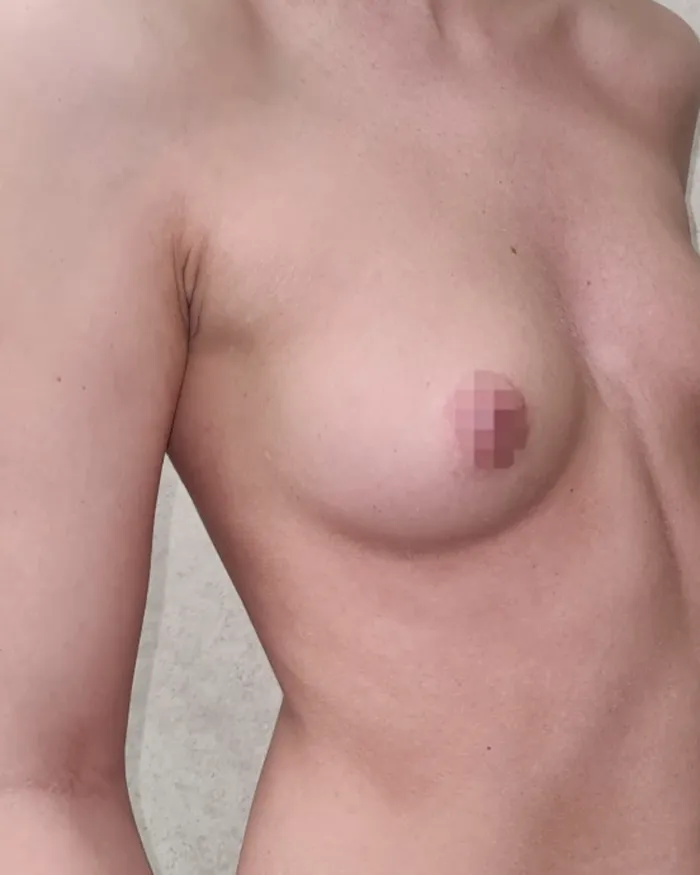
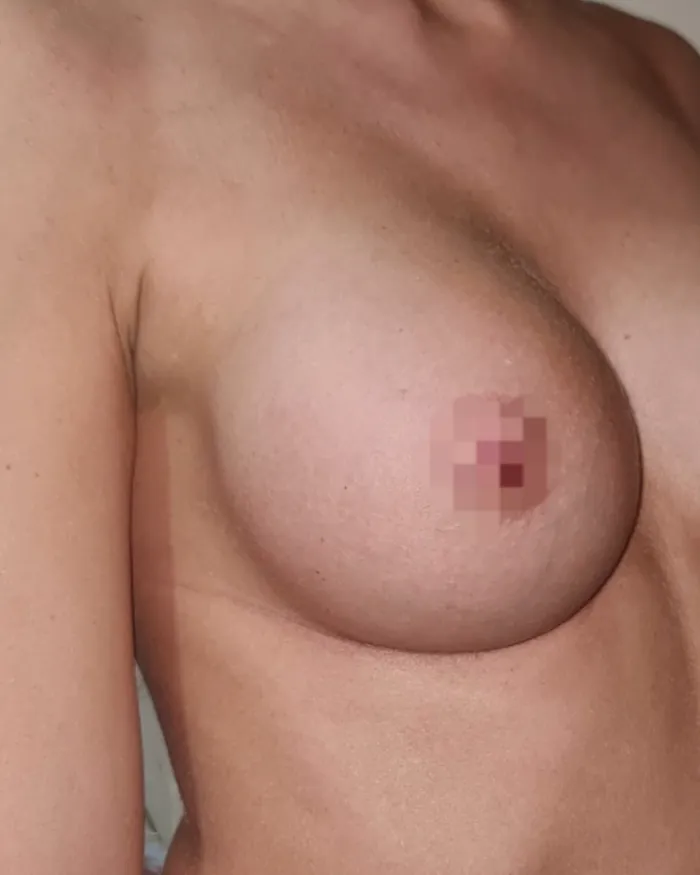
Photographs of the surgeon's own cases, published with the patient's express consent. Each result corresponds to a particular anatomy and indication, and cannot be extrapolated to other cases.
Breast surgery is ideally performed from 18 years of age. Minors require parental consent. There is no upper age limit: it is determined by the patient's health.
During the consultation, implant sizers are tried on. The size is defined together with the patient, considering her anatomy and aesthetic, social and functional factors.
Request a consultation
Request an appointment on WhatsApp (opens in a new tab)
Content written and reviewed by Dr. Juan Ignacio Balestrelli, M.N. 130990.
The contents of this site are informative and do not constitute medical advice. Every intervention requires prior clinical evaluation and informed consent; results depend on the particular condition of each patient.