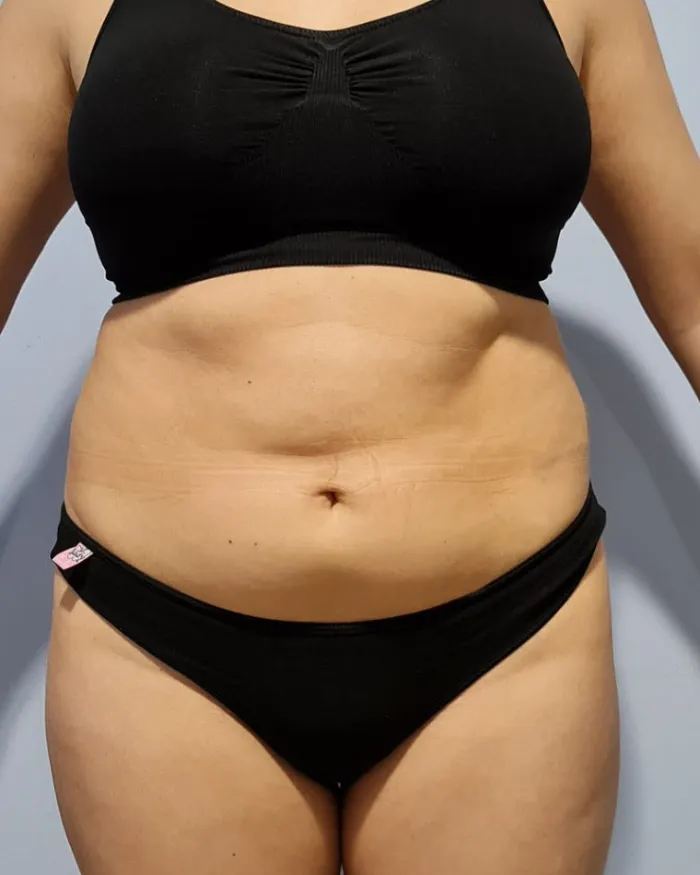
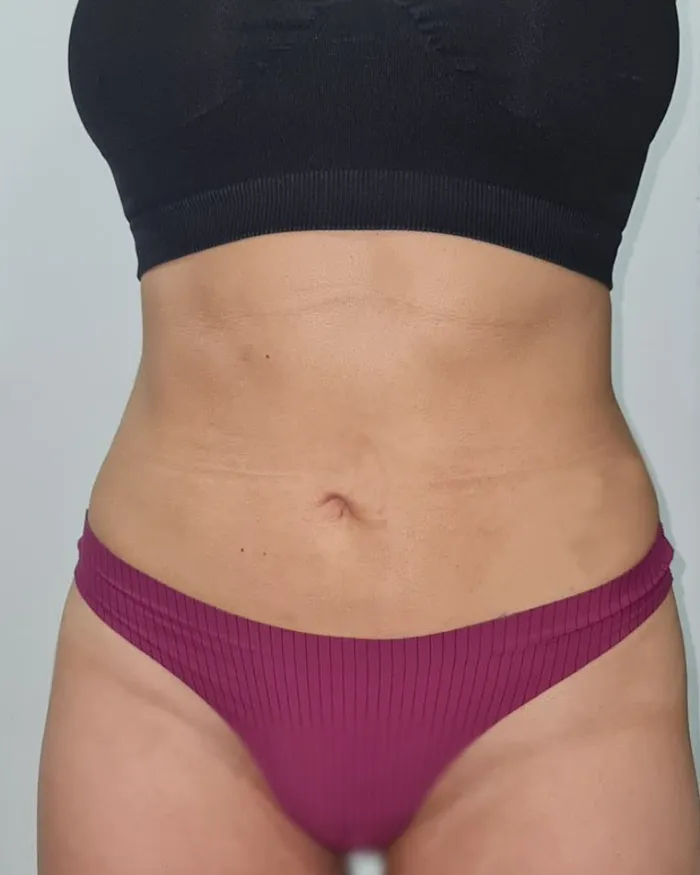
Body contouring
High-definition liposuction
It is not about losing weight but about redefining the silhouette. Liposculpture removes localised fat deposits that do not respond to diet or exercise and shapes the body contour.
Liposculpture is performed with ultrasound- and laser-assisted technology, which allows more fatty tissue to be removed with less bruising and swelling and better skin retraction. This favours a more natural contour and a smoother recovery. The motor-assisted (power-assisted) technique is also available.
The most frequently treated areas are the abdomen, thighs, flanks and neck (double chin). Incisions measure 3 to 4 mm and are placed in inconspicuous sites.
After surgery, a good-quality compression garment is worn for 3 to 4 weeks. Return to work is possible from 72 hours, and physical activity is resumed after 30 days.
A suitable diet and sustained physical activity help maintain the result.
Consultations are available at any of the clinics, by scheduled appointment, and by video call.
Photographs of the surgeon's own cases, published with the patient's express consent. Each result corresponds to a particular anatomy and indication, and cannot be extrapolated to other cases.
No. It is a treatment to redefine the body contour in areas with localised fat that does not respond to diet or exercise. The best results are achieved at a stable weight.
In many cases yes. Combining depends on total operating time, the patient's health and anaesthetic safety, and is assessed during the consultation.
Request a consultation
Request an appointment on WhatsApp (opens in a new tab)
Content written and reviewed by Dr. Juan Ignacio Balestrelli, M.N. 130990.
The contents of this site are informative and do not constitute medical advice. Every intervention requires prior clinical evaluation and informed consent; results depend on the particular condition of each patient.